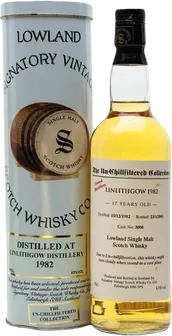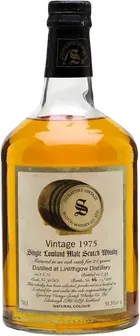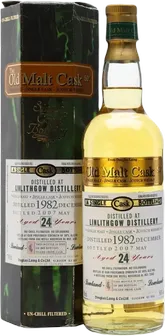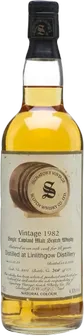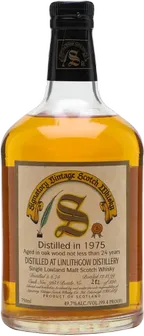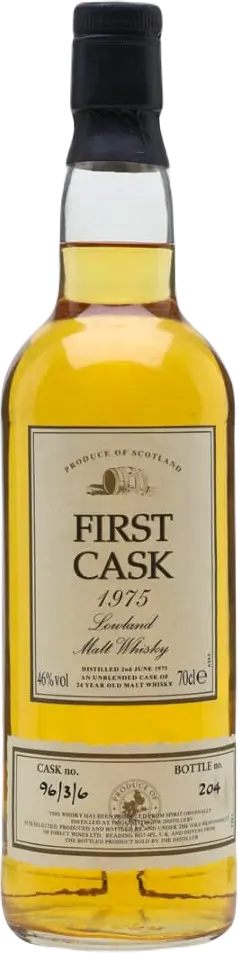
€890Scotland, Lowland, Single Malt

Facts

The distillery behind this spirit sat between the Union Canal and the railway in Linlithgow. It closed in 1983. Its buildings are flats now. Only the malting barn and its pagoda survive, C-listed, the old name still painted white across the roof. Unusually for a Lowland site, the maltings peated their own barley. Three worm tubs fed five stills. That kept the spirit heavier than the Lowlands usually promise. Twenty-four years in wood softened the edges without erasing them. Expect waxy fruit, a dry grassy note, and a thread of smoke that refuses to fade.

Compare prices

No shops found to compare.

Good alternatives

Reviews

Be the first to add a review

About the distillery

Distillery

Linlithgow

The site in Linlithgow, in Scotland's Lowland region, once held a medieval leper colony and hospital dedicated to St Magdalene. When a distillery was built there in 1834, moved close to the Union Canal for water and transport, it took the same name. What made this Lowland distillery unusual was its malt. While most Lowland whisky was made light and unpeated, St Magdalene used heavily peated barley, more typical of Islay. Water drawn from Loch Lomond fed five pot stills, and the resulting spirit carried real smoke, a rarity for the region. The Distillers Company closed the distillery for good in 1983. Its malting barn and pagoda roof survive as listed buildings, now converted into apartments. Surviving casks of St Magdalene, sometimes still labelled Linlithgow, are prized by collectors today.

4.2Average rating

11Whiskies on Distilld

Flag of ScotlandScotland

Lowland

Most popular whiskies from Linlithgow

About the First Cask Linlithgow 24 years

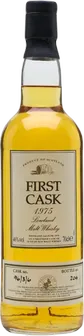
First Cask Linlithgow 24 years is a single malt Scotch whisky from the Lowland region of Scotland. The distillery in Linlithgow is better known as St Magdalene. First Cask bottled this one independently at 46% ABV, after twenty-four years in wood. The distillery closed in 1983. Every bottle of this age draws on a stock that nobody can replace. Lowland malts have a reputation for being light. This one does not fit it. St Magdalene stood between the Union Canal and the railway line, which made moving barley and casks easy. The name came from a medieval leper hospital that once stood on the same ground. At its peak the distillery ran fourteen washbacks, five stills and three worm tubs. Those worm tubs give a heavier, oilier spirit than modern condensers do. Most unusual of all, the maltings peated the barley, which almost no Lowland distillery did. Lemon peel and dry hay come first, with a waxy note settling underneath. Honey arrives thin rather than sticky. The malt turns oily and grassy once it hits the tongue, carrying barley sugar and a little white pepper. Twenty-four years of oak sit lightly here, adding dried apricot instead of tannin. Smoke closes things out, faint but stubborn, that old peated barley still showing through after all this time. The distillery never released an official bottling in its lifetime. Everything you can buy today comes from independents, and First Cask is one of them. First Cask Linlithgow 24 years matters because the supply is fixed and shrinking. No one can distil more peated Lowland spirit through worm tubs in Linlithgow. Bottles from the site now sell for high sums at auction. Two decades in oak also give this whisky the depth that younger casks lack.