










Distillery
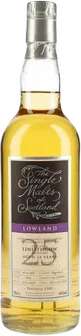
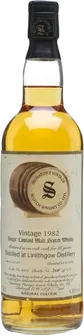
Linlithgow
The site in Linlithgow, in Scotland's Lowland region, once held a medieval leper colony and hospital dedicated to St Magdalene. When a distillery was built there in 1834, moved close to the Union Canal for water and transport, it took the same name. What made this Lowland distillery unusual was its malt. While most Lowland whisky was made light and unpeated, St Magdalene used heavily peated barley, more typical of Islay. Water drawn from Loch Lomond fed five pot stills, and the resulting spirit carried real smoke, a rarity for the region. The Distillers Company closed the distillery for good in 1983. Its malting barn and pagoda roof survive as listed buildings, now converted into apartments. Surviving casks of St Magdalene, sometimes still labelled Linlithgow, are prized by collectors today.