malty woody
3.1
(10)
€17Ireland, Blended

Flavours

Whisky character

Fresh
Warm
Mild
Full
Smooth
Spicy

Taste mentions

Facts

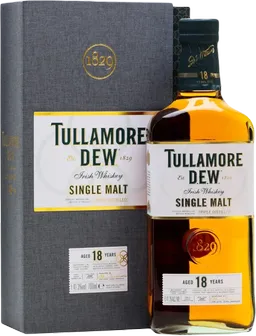
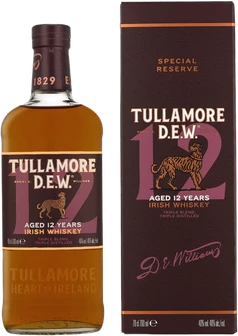
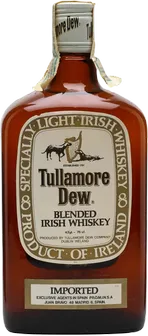
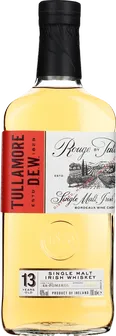
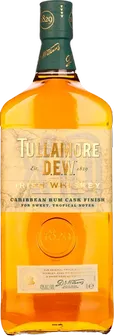
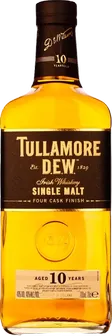
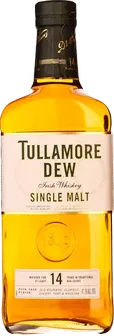
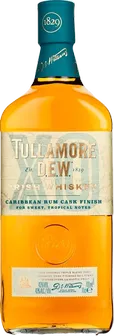
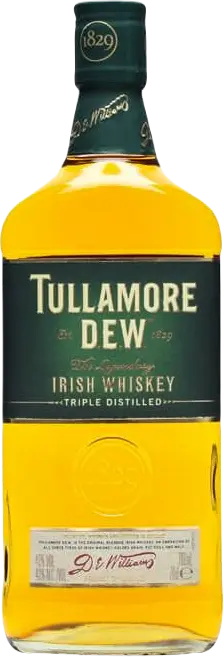
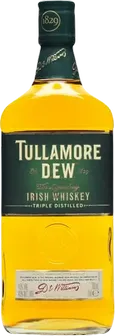
Daniel Edmund Williams ran the Tullamore Dew distillery in County Offaly in the 1800s. His initials, D.E.W., became the name on every bottle he sent out into the world. The whisky he championed blends triple-distilled pot still, malt, and grain spirit into one bottle. That blend gives it a soft, rounded character. Caramel and vanilla arrive first, backed by a nutty, malty warmth. A touch of oil carries woody oak through to a long finish. Poured neat, it drinks easily without losing its cereal backbone. A slow evening suits it better than a quick one.

Compare prices

Compare prices by shop
ShopType Price
Gall & Gall
Gall & Gall
€24.49
€30.99
Master of Malt
Master of Malt
€29.15 ( £24.95 )
€29.15 ( £24.95 )
Drankdozijn
Drankdozijn
€19.95
€27.95

Good alternatives

Reviews

3.1 /5

10 reviews

1 star
2 star
3 star
4 star
5 star

What do you think?

About the distillery

Distillery

Tullamore Dew

A stable boy named Daniel Edmund Williams started working at a small distillery in Tullamore, Ireland, at just 15. By 25 he was running the place, and by the time the whisky carried his initials it had become Tullamore Dew. The town, in County Offaly, still shapes the brand's identity today. Williams built the whisky's character around triple distillation, and it is later blended using three different cask types. That combination gives Tullamore Dew its famously soft, easy-drinking style. It helped the brand grow into one of the best-selling Irish whiskies in the world. Williams also chose the bottle's emblem himself, an Irish wolfhound, to represent loyalty and friendliness rather than a family crest. It is a small detail that has stuck with the brand for nearly two centuries.

3.8Average rating

11Whiskies on Distilld

Flag of IrelandIreland

Most popular whiskies from Tullamore Dew

About the Tullamore Dew

Tullamore Dew is a blended Irish whisky made in Tullamore, County Offaly, Ireland. The name comes from Daniel Edmund Williams, whose initials, D.E.W., have marked the label since the 1800s. Tullamore Dew brings together triple-distilled pot still, malt, and grain whiskies in one bottle. It pours a warm amber and carries a full, rounded body at 40% ABV. Drink it neat and the caramel and vanilla notes come through first, backed by a gentle nutty sweetness. The Tullamore Dew story starts with a distillery built in the town in 1829. Daniel Edmund Williams became general manager there and later took ownership. His initials gave the whisky its name, and it stuck long after his time. That original distillery closed in 1954, and the brand changed hands more than once. William Grant & Sons bought it in 2010 and built a new distillery nearby. It opened in 2014, ending a sixty-year gap in local production. This blended Irish whisky carries a warm, meaty cereal note up front. Some tasters describe it as fresh bread crust, toasted rather than sharp. Malty sweetness runs underneath, giving the whisky its backbone. A light, oily texture adds weight, so it feels rounder than its 40% ABV might suggest. Oak brings a woody edge that lingers into a gentle, warming finish. Tullamore Dew stays approachable rather than heavy, which built its wide following outside Ireland. Tullamore Dew works best neat, in a tumbler, with time to breathe before the first sip. The grain component keeps it light on the tongue, while the pot still whisky adds body. Malt whisky fills in the middle, rounding out the blend. That balance makes this Irish blend feel reliable rather than showy. Ireland's whisky drinkers have trusted the name for generations. It remains one of the country's most recognised exports. For newcomers to Irish whisky, Tullamore Dew is a gentle, welcoming place to start. The whisky matures in ex-bourbon and sherry casks, adding to its caramel warmth. The 40% ABV keeps it easy to sip slowly, letting oak and vanilla carry through the end. Tullamore Dew has earned its place as one of Ireland's best-known blended whiskies. It stays consistent, glass after glass, decade after decade.